


The container arrives at the CFS and is inspected by the CFS custodian.



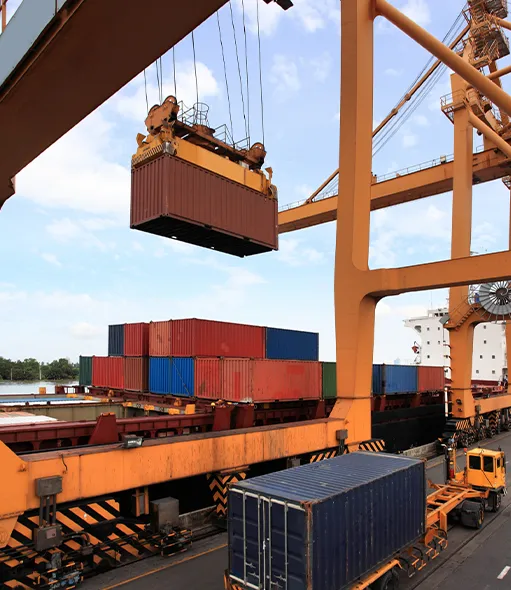

The container arrives at the CFS and is inspected by the CFS custodian.
The CFS custodian checks the seals on the container to make sure they are intact.
The CFS custodian creates a gate pass for the container.
The importer or their customs agent presents the gate pass and the import documents to the customs officer.
The customs officer examines the import documents and may decide to inspect the goods.
If the goods are inspected, the customs officer will create a customs report.
The customs officer will assess the duty and taxes payable on the goods.
The importer or their customs agent pays the duty and taxes.
The customs officer will release the goods to the importer or their customs agent.
The specific customs procedures may also vary depending on the type of goods being imported. For example, restricted goods may require additional documentation or inspection.
The importer or their customs agent must file a Bill of Entry (BoE) with the customs authorities.
The BoE must include information about the goods being imported, such as the value, quantity, and country of origin.
The importer or their customs agent must also pay the duty and taxes payable on the goods.
The exporter must file a Shipping Bill (SB) with the customs authorities.
The SB must include information about the goods being exported, such as the value, quantity, and country of destination.
The exporter must also obtain an export permit from the relevant government agency, if required.
The customs procedures in a CFS can be complex and time-consuming.



Enquire Now